
Why English
Engaging with language and literature through English empowers us to think critically and creatively, making meaning in our worlds. By connecting with others and exploring diverse perspectives, we build relationships and gain insights that deepen empathy, enrich our lives and support us in becoming more effective communicators.
The nature of learning in English
In English, learners engage with ideas critically and constructively. Supported by foundational literacy skills that help them decode, comprehend and participate in texts, learners turn pages or replay scenes to enter different worlds and begin to untangle the complexities of human experience.
Learners listen deeply and read with curiosity and care. Learners organise their thinking with visual supports or build interpretations aloud through conversation. They communicate in ways that matter: through speaking, creating digital texts to communicate meaning, and refining their writing to express their ideas clearly. As learners develop these skills, they strengthen their capacity to make meaning, respond to the world and contribute with confidence and purpose.
Learning in English nurtures an appreciation for the rich diversity of literary and everyday texts. Learners move from classroom books to playground signs, folktales, songs and multimodal texts, tracing connections across cultures and time. At the heart of this learning is compassion and inclusivity: learners listen to different experiences, value diverse voices, question fearlessly and delight in the power and playfulness of language. Through these experiences, learners discover how language shapes meaning, influences perspectives and opens possibilities for their futures.
Essential Learning
Essential Learning identifies the dispositions, capabilities and knowledge that matter most in English. Together, these interdependent dimensions support learners to deepen their understanding and apply what they learn in different contexts (Figure 1).
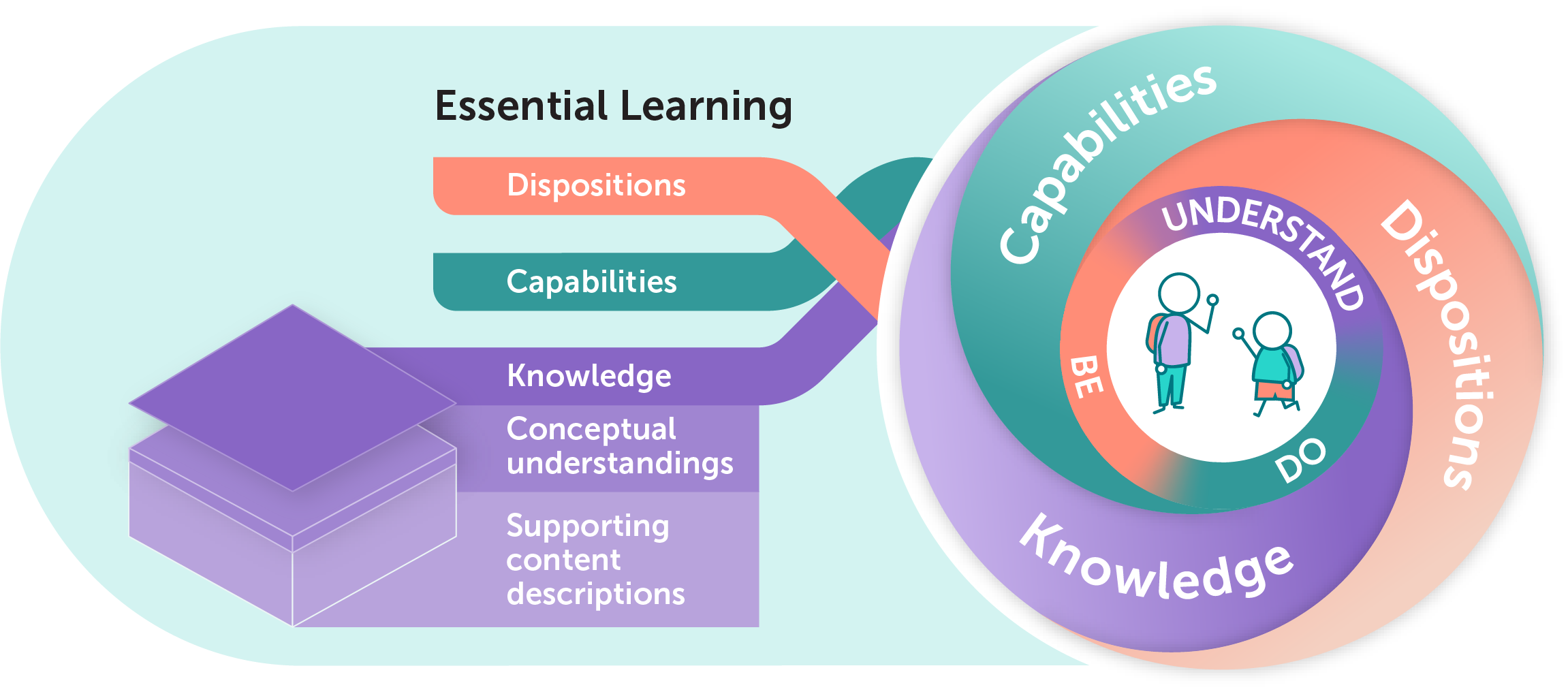
Figure 1: The dispositions, capabilities and knowledge embedded in the SA Curriculum: English
Learn more about the SA Curriculum Framework and its interrelated elements.
In English, learners activate their curiosity, empathy, reflectiveness and resourcefulness through rich experiences with texts, language and diverse perspectives. These dispositions shape how learners inquire, interpret, communicate and respond thoughtfully. They support their success as learners and their capacity to live well, build relationships and contribute meaningfully to their communities.
Through deep engagement with language, literature and communication, learners develop critical, creative and metacognitive thinking, intercultural responsiveness, and personal and social agency. These capabilities enable learners to think independently, appreciate diverse perspectives and make constructive choices. Through ongoing reflection and meaningful application, learners strengthen their ability to apply these capabilities in unfamiliar contexts with confidence and care.
The 3 conceptual organisers, Language, Literature and Literacy, organise knowledge in English around conceptual understandings that help learners make meaning beyond individual texts and tasks. Educators use supporting content descriptions flexibly to design learning experiences in different contexts to build these conceptual understandings.
Learning Standards
Learning Standards describe intended learning at each year level by interweaving conceptual understandings, capabilities and dispositions. They describe learning holistically in terms of understanding, doing and being (Figure 2).
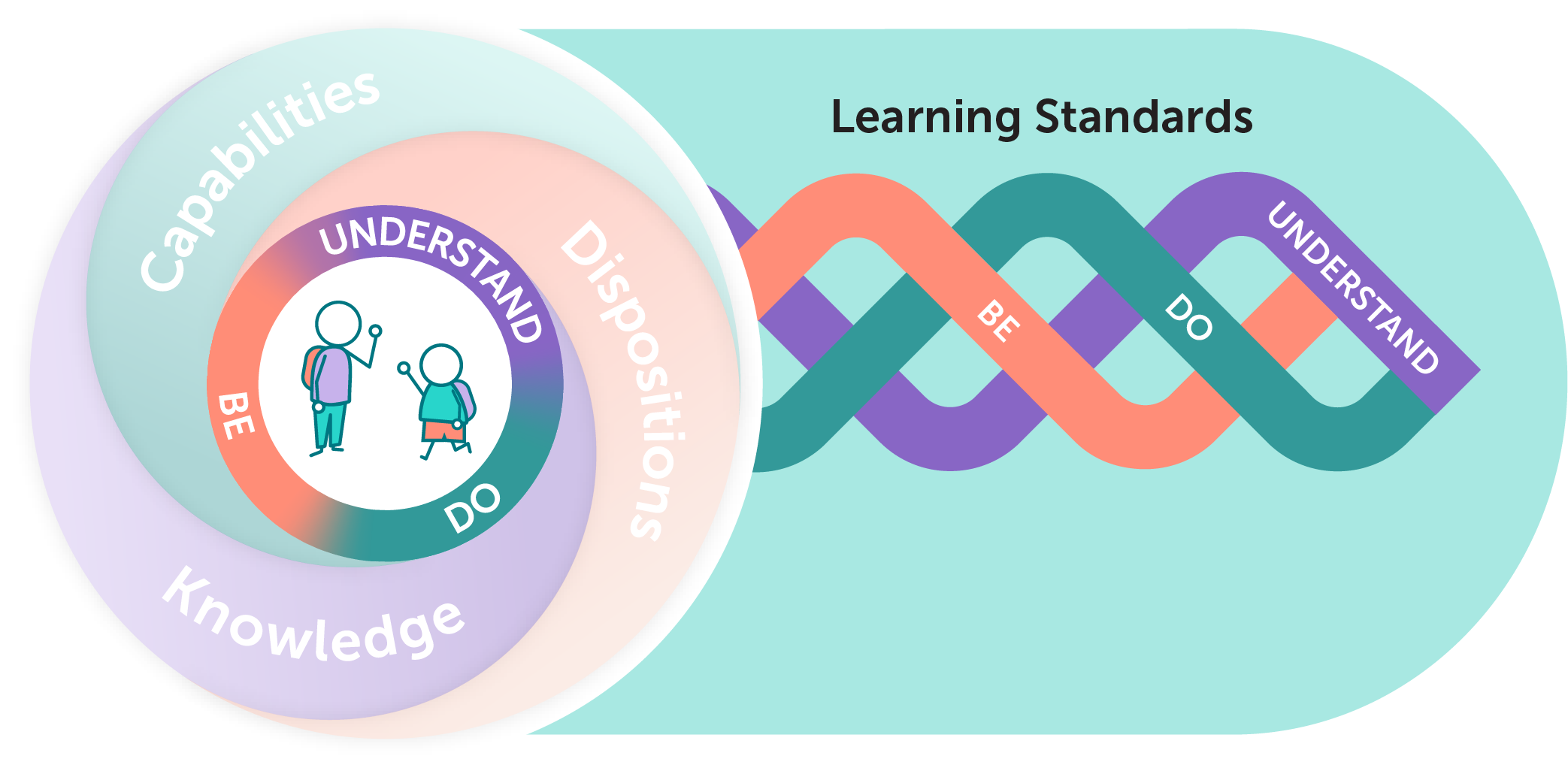
The paragraphs each represent a conceptual organiser and bring together relevant conceptual understandings, capabilities and dispositions to describe intended learning. Learning Standards are read as a whole, contributing to an integrated description of learning.
Considerations for enacting the SA Curriculum: English
Learners of English as an additional language or dialect (EALD)
Learners of English as an additional language or dialect (EALD) bring diverse knowledge, skills and experiences through their cultural and linguistic backgrounds. Given the linguistic diversity in South Australian homes and communities, including many Aboriginal languages, EALD learners often start school with proficiency in multiple languages. They may have developed relevant concepts and skills in their first language or dialect. EALD learners require appropriate support to develop proficiency in Standard Australian English (SAE). Their language skills richly support them to learn English as a new language or dialect and become proficient in SAE and contribute to the cultures of schools and the wider Australian society.
Keeping Safe: Child Protection Curriculum
English learning intersects with relevant aspects of the Keeping Safe: Child Protection Curriculum (KS:CPC) when appropriate.
Structure
SA Curriculum: English is designed for all learners to engage in English from reception to year 10.
Resources
SA Curriculum: English
- English R to 10 (Oct 2026) (PDF 973 KB)
- Conceptual understandings English R to 10 (Oct 2026) (PDF 487 KB)
- Conceptual understandings English R to 10 (Oct 2026) vertical display (PDF 487 KB)
Past curriculum version are available on the curriculum updates page.