
Why Science
Scientific thinking and practices empower us to notice, explore and understand how our world works, fostering an appreciation of the dynamic interconnectedness of complex systems. By investigating phenomena and continually seeking answers to questions, science unites curiosity with creativity and enables us to critically engage with evidence, equipping us to contribute as informed citizens to a sustainable future.
The nature of learning in Science
In Science, learners engage with ideas critically and constructively. Investigating the world around them, learners observe, question, predict and test ideas about phenomena they can see, feel and measure, and begin to untangle the complexities of human experience.
Learners listen and question with curiosity and care. Learners organise and explain their thinking, collecting and analysing data, building and refining models, and using evidence. They communicate in ways that matter to refine their scientific knowledge and demonstrate why this knowledge changes over time. As learners develop their skills, they strengthen their capacity to make meaning, respond to the world and contribute with confidence and purpose.
Learning in Science nurtures an appreciation for the rich diversity of investigation and scientific exploration. Learners work together to plan investigations, select and use equipment safely, and evaluate the quality of their methods and data. At the heart of this learning is compassion and inclusivity: learners consider different interpretations, challenge ideas respectfully and recognise the importance of healthy scepticism, accuracy and ethical practice. Through these experiences, learners discover how to think and work like scientists, and discover how scientific understanding shapes meaning, influences perspectives and opens possibilities for their futures.
Essential Learning
Essential Learning identifies the dispositions, capabilities and knowledge that matter most in Science. Together, these interdependent dimensions support learners to deepen their understanding and apply what they learn in different contexts (Figure 1).
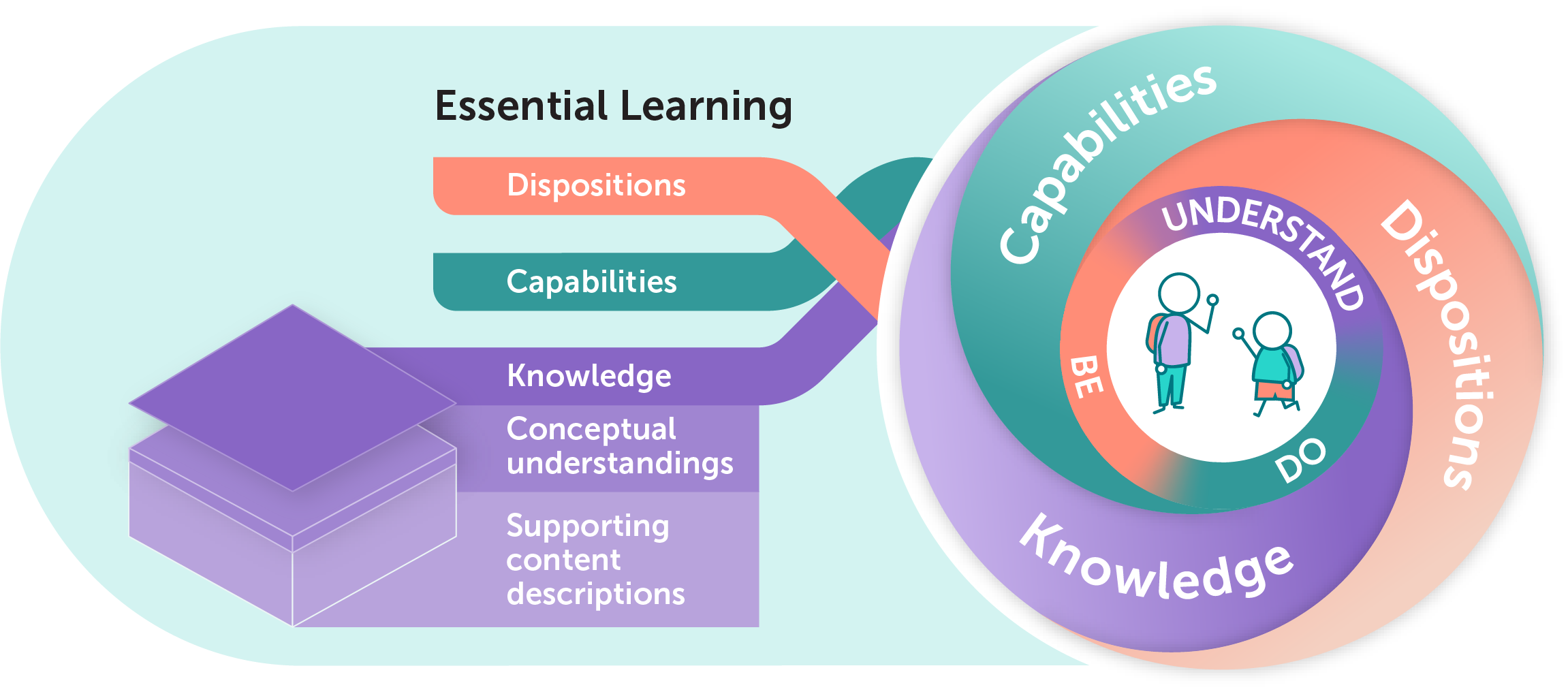
Figure 1: The dispositions, capabilities and knowledge embedded in the SA Curriculum: Science
Learn more about the SA Curriculum Framework and its interrelated elements.
In Science, learners activate curiosity, open-mindedness and responsibility through diverse learning opportunities that foster and strengthen these dispositions over time. These dispositions shape how learners inquire, interpret, communicate and respond thoughtfully. They support their success as learners and their capacity to live well, build relationships and contribute meaningfully to their communities and the environment.
Through scientific thinking and working scientifically, learners develop scientific engagement and influence, observation and questioning, scientific exploration, informed reasoning and purposeful communication. These interwoven and interdependent capabilities enable learners to think independently, appreciate diverse perspectives and make constructive choices. Through ongoing practice, reflection and meaningful real-world application, learners strengthen their ability to apply these capabilities in unfamiliar contexts with confidence and care.
The 4 conceptual organisers, Living systems, Earth and space systems, Forces and energy, and Matter and materials, organise knowledge in Science around conceptual understandings that help learners make meaning beyond individual experiments and tasks. Educators use supporting content descriptions flexibly to design learning experiences in different contexts to build these conceptual understandings.
Learning Standards
Learning Standards describe intended learning at each year level by interweaving conceptual understandings, capabilities and dispositions. They describe learning holistically in terms of understanding, doing and being (Figure 2).
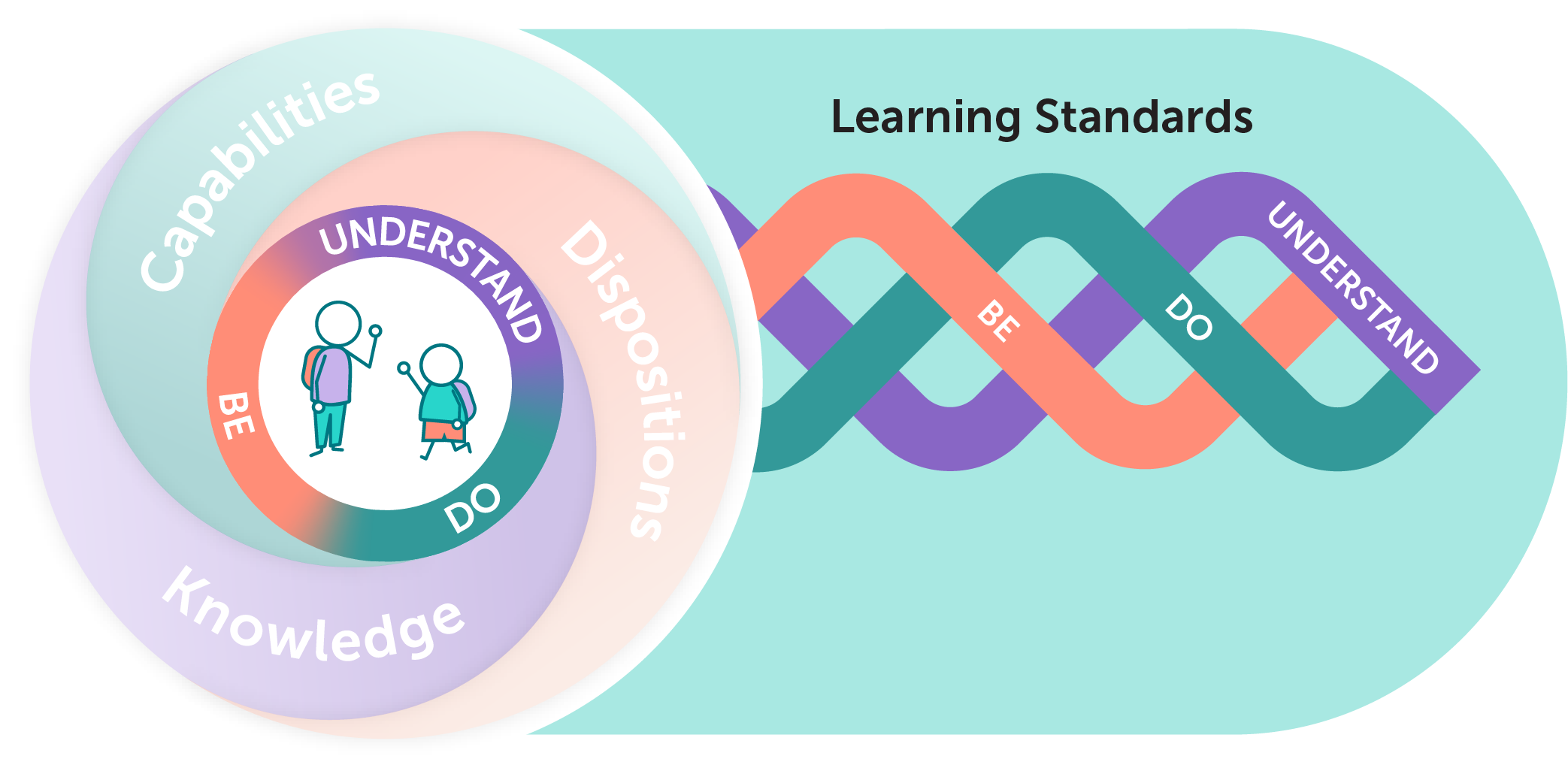
The paragraphs each represent a conceptual organiser and bring together relevant conceptual understandings, capabilities and dispositions to describe intended learning. Learning Standards should be read as a whole, with sentences and paragraphs contributing to an integrated description of learning.
Considerations for enacting the SA Curriculum: Science
Aboriginal knowledges and ways of knowing
Science teaching and learning resources are available on Plink to support educators to embed Aboriginal knowledges and ways of knowing. Resources have been developed with and approved by Aboriginal knowledge holders and participating South Australian Aboriginal nations.
Keeping Safe: Child Protection Curriculum
Science learning intersects with relevant aspects of the Keeping Safe: Child Protection Curriculum (KS:CPC) when appropriate.
Structure
SA Curriculum: Science is designed for all learners to engage in Science from reception to year 10.
Resources
SA Curriculum: Science
- Science R to 10 (Oct 2026) (PDF 1 MB)
- Conceptual understandings Science R to 10 (Oct 2026) (PDF 258 KB)
- Conceptual understandings Science R to 10 (Oct 2026) vertical display
Past curriculum versions are available on the curriculum updates page.